ATS Blog
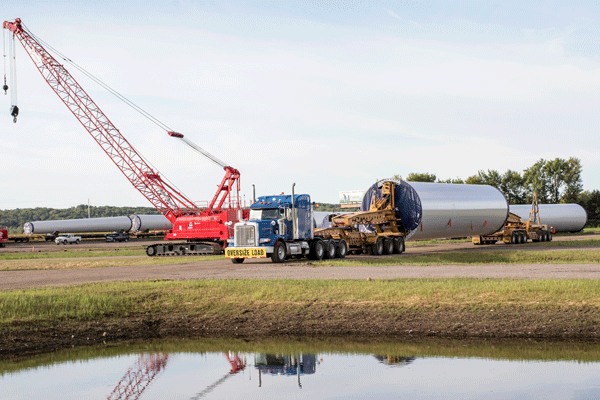
Multimodal logistics can be a powerful lever for businesses. It can unlock cost savings, expand capacity options, improve resilience, and support more flexible supply chains. But it also has a reputation for being complex, opaque, and risky when it’s not planned correctly.
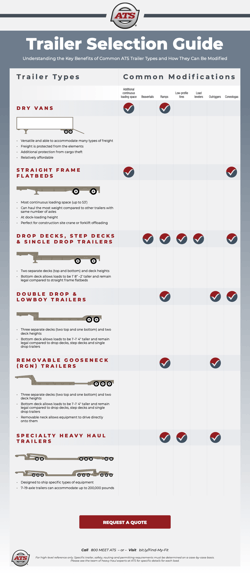 When you need to ship freight that won't fit within the enclosed dimensions of a dry van, you know you need an open deck trailer. However, you might not know there's a wide variety of open deck trailers available and your options include — but also extend well beyond — those offered by flatbed shipping.
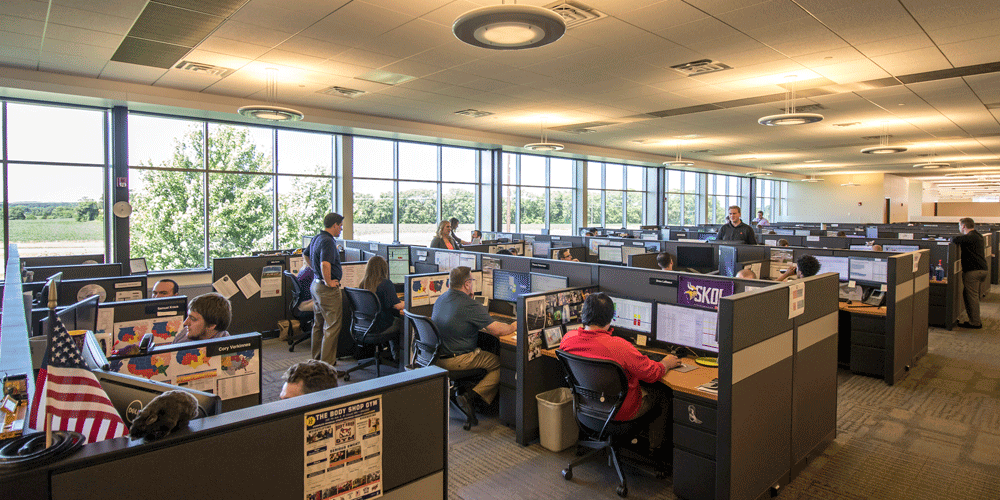
Choosing the right freight broker can make or break your shipping performance. The ideal provider brings transparency, dependability, and the resources needed to keep your freight moving safely and on schedule.
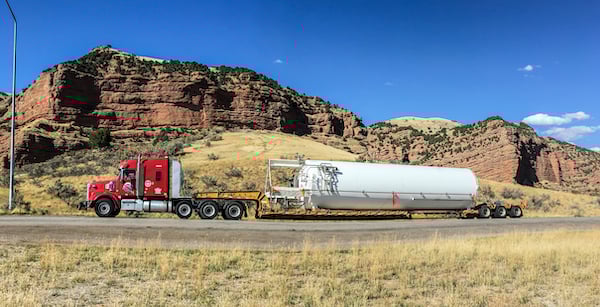 Shipping heavy items from point A to point B is always more complex than it appears. Behind every successful oversized shipping project, you’ll find dozens of shipping and transportation professionals working together, carefully managing every element and preparing for each mile of the journey.
Disruptions in the supply chain have been happening since the beginning of time. What do companies that survive have in common?
There are two main ways shippers get their freight across the international borders between the United States and Mexico. And there are several reasons shippers should choose one shipping method over the other.
 You never want to experience delays. It doesn't matter whether you're shipping domestically or internationally, delays mean missed deadlines, upset clients and lost revenue. However, due to the complex nature of overseas shipping, freight stuck in a port across the globe can prove to be more difficult to get to its final destination than domestic shipments.
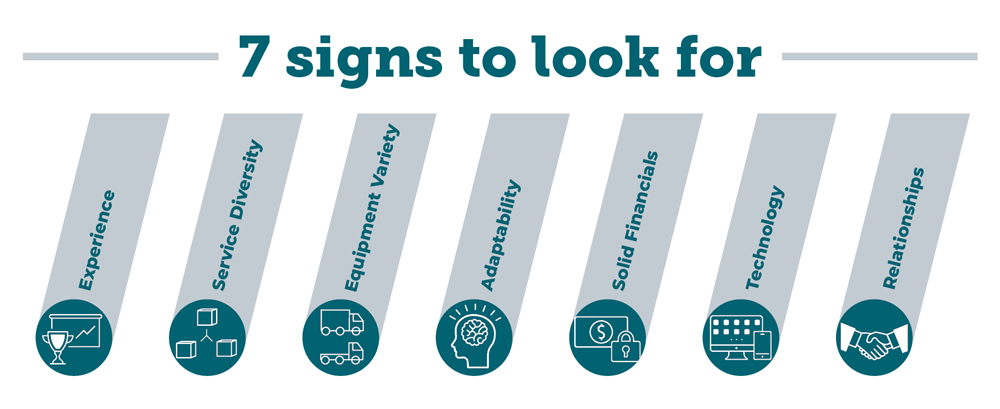
The freight market can fluctuate almost as much as the weather in the Midwest (for those of you not from the Midwest, that means it can fluctuate a lot). And right now, we’re in the middle of one of the biggest supply chain disruptions we’ve ever experienced. So how do you know if you’re hiring a transportation provider that can withstand the ups and downs of the market? Here are seven signs to look for:
Supply chain disruptions are nothing new to us — especially in a time when everyone is trying to recover from the impacts of the COVID-19 pandemic. While there are signs we’re on the road to recovery, we’re now in a weather season that can have major impacts on the supply chain. Here are some things to consider as you plan your shipping needs during hurricane season.
 The days of doing business over fax or even snail mail are fading. This could be due in part to the fact that people within a company generally aren’t in a central office anymore — particularly now in the work-from-home world we live in. But ultimately it comes down to speed and clarity in communication.