Resources & Insights
As a shipper, you know that having a good grasp on what it should cost to move your freight is important, but it feels like it's getting harder to do so these days. This makes you wonder what causes shipping rates to change today when compared to years past.
With so many different trailers on the roads today, it can be difficult to discern what each is used for and which is best for your freight.
You’re looking to move a shipment but are unsure of whether or not using a freight brokerage is right for you. This can be a difficult decision, but it doesn’t have to be.

One of the first decisions shippers face is whether to work with a freight broker or an asset-based carrier.
As a transportation provider, one of the most common questions we get from our customers and prospects is why do trucking rates change? You’ve probably wondered the same thing yourself a time or two. In this article, we’ll give you an idea as to what factors cause rates to change, how you can avoid getting ripped off and how you can plan for these rate fluctuations as you assess your shipping needs.
Whether or not you, as a shipper, move goods that have changing demand depending on the season, you are affected by those that do. Before getting into the why, let’s define seasonality and talk through a few common examples.
Wouldn’t it be nice to know exactly what your freight prices are going to be to ship from point A to point B, every time? If only it were that simple. Let’s break down why the answer to “how much will this cost?” is almost always, “it depends.”
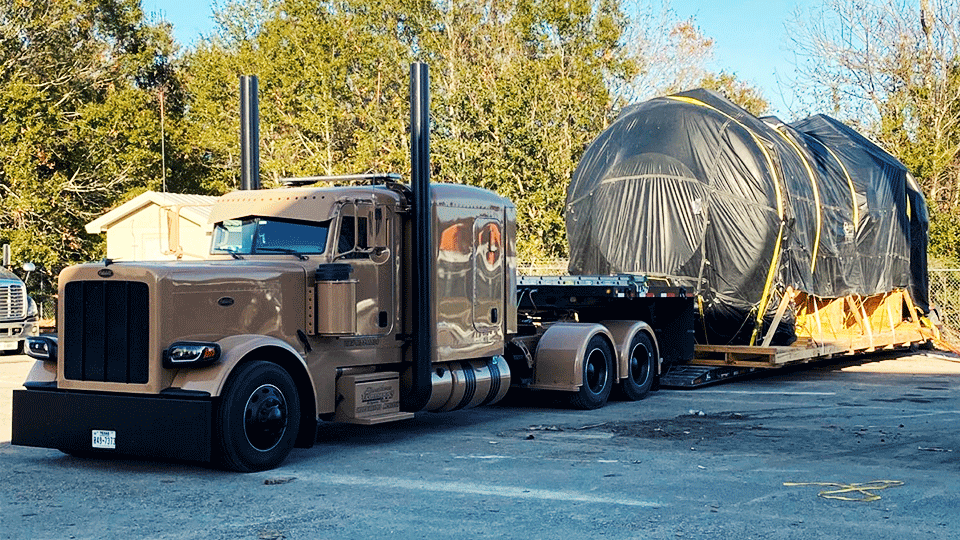
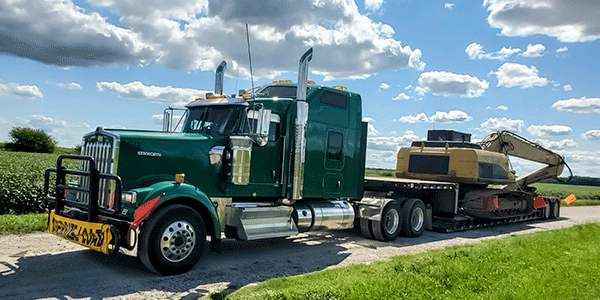
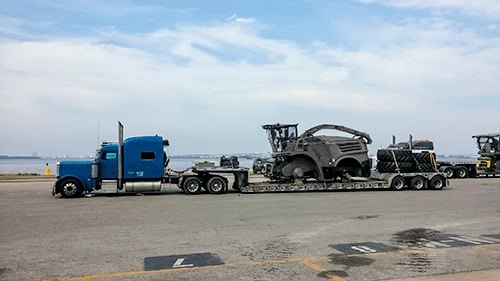
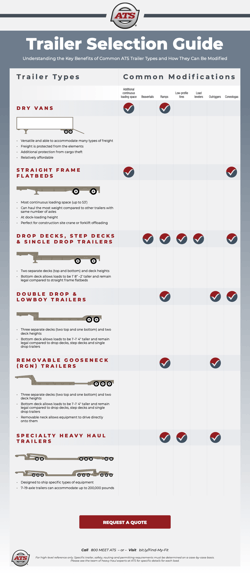 When you need to ship freight that won't fit within the enclosed dimensions of a dry van, you know you need an open deck trailer. However, you might not know there's a wide variety of open deck trailers available and your options include — but also extend well beyond — those offered by flatbed shipping.