Resources & Insights
The rules and regulations that govern the transportation industry are in place for a reason; to keep transportation professionals and the motoring public safe.
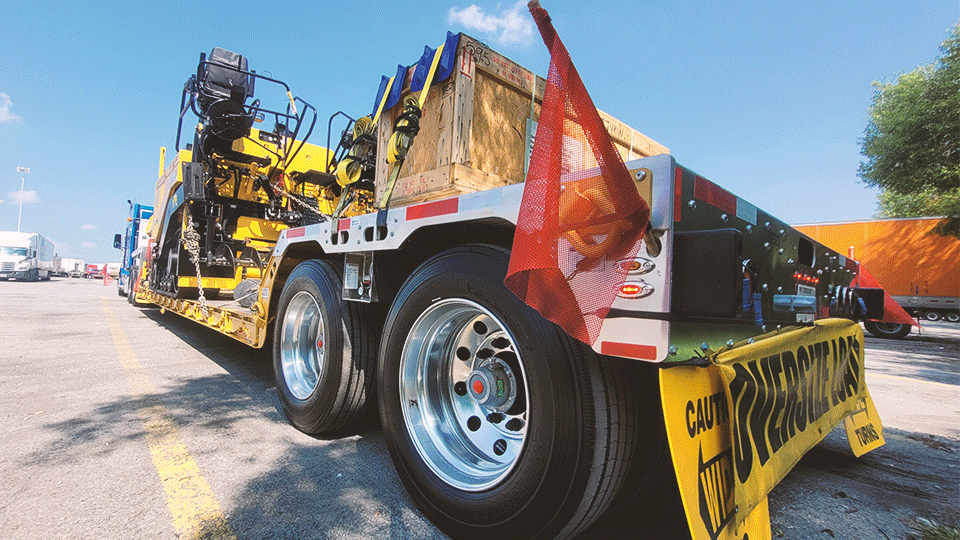
When moving flatbed freight it's important to understand the overhang laws that govern these loads. With so many variables weighing into locational overhang thresholds, however, these regulations can be difficult to understand.
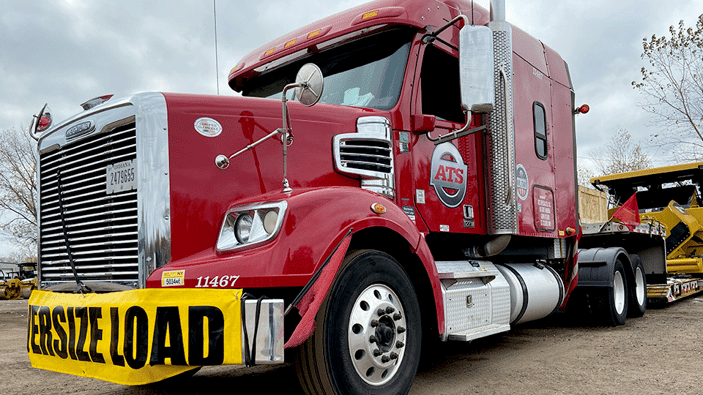
Transportation projects are many things: vital to the health of global supply chains; necessary for the continued improvement of our world; foundational to the success of many businesses.
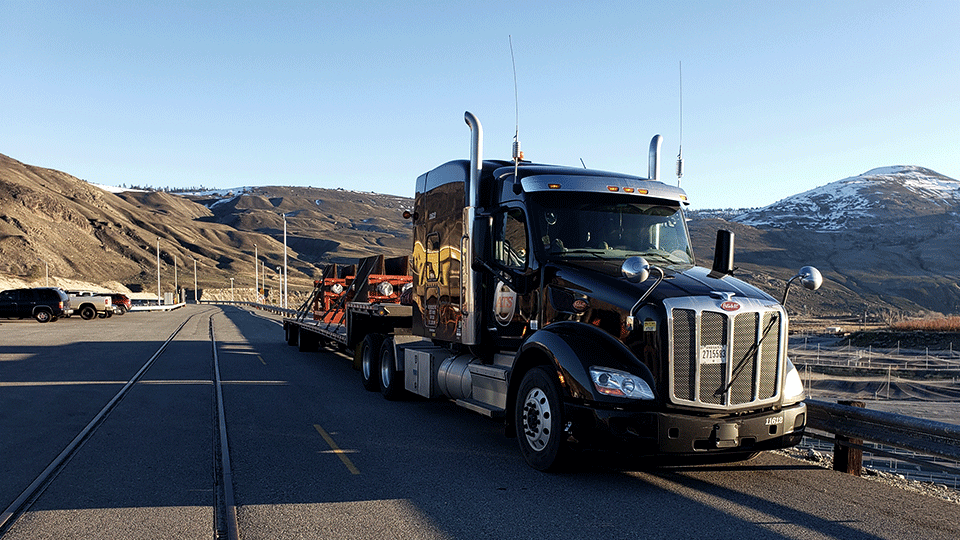
When it comes to the transportation of your freight, predicting your pricing and budgeting properly can be difficult.
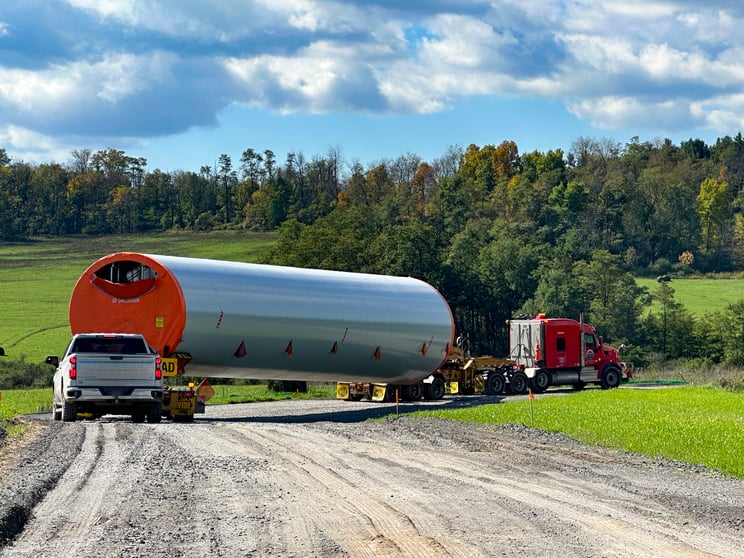
If you’re in the early stages of planning a large project — like a new or relocating data center, wind farm, or grid-scale energy storage — you know that the more complex it gets, the more critical the details are.
As we near the conclusion of 2021, and begin the twenty-second leg of our 2000’s journey — with a year that promises more challenges, triumphs and learning opportunities — a bit of reflection would do all of us well.
The total freight length you’re legally allowed to transport using a flatbed trailer changes from one state to the next. Each state government has very specific guidelines outlining what dimensions shippers can and cannot haul on a flatbed trailer without permitting.
You’re looking to nail down some permitting for an upcoming shipment. But you don’t know how to go about doing so, how much time it will take to obtain the permit, how long the load may take to move . . .
About the only thing you know for sure? You have a lot of questions about what information you’ll need to facilitate the oversized load permit process.
Since you’re hoping to make this process as smooth as possible, you already know this information is vital to the success of your shipment. Now, all that’s left is to get the facts and take the right steps.
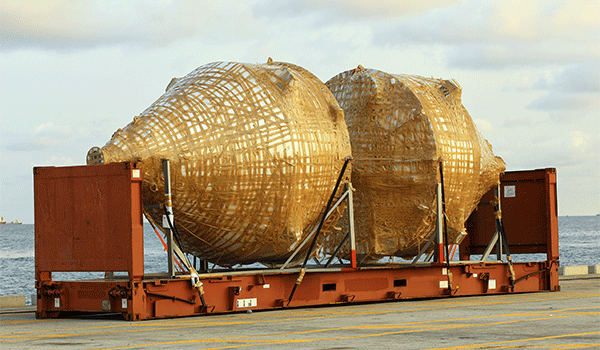
Not every piece of cargo fits neatly inside a standard shipping container. When freight is too wide, too tall, or shaped in a way that makes traditional container loading impractical, shippers often turn to a different type of equipment altogether: the flat rack container.
The trucking industry is brimming with unique jargon. This can make starting in this industry or working with it overwhelming. As soon as you think you’re beginning to master the language of trucking, another term will pop up.