Resources & Insights
5 Common Problems With Permitted Project Loads (& How to Avoid Them)
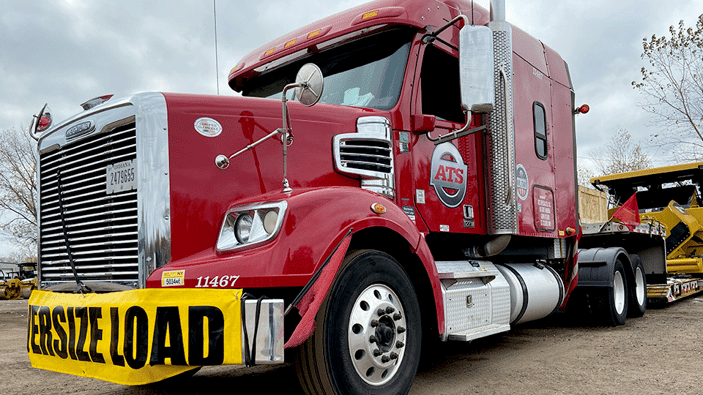
Transportation projects are many things: vital to the health of global supply chains; necessary for the continued improvement of our world; foundational to the success of many businesses.
What Are Technical Services? How Logistics Companies Safely Transport Data Center, Wind, and Other Project Freight
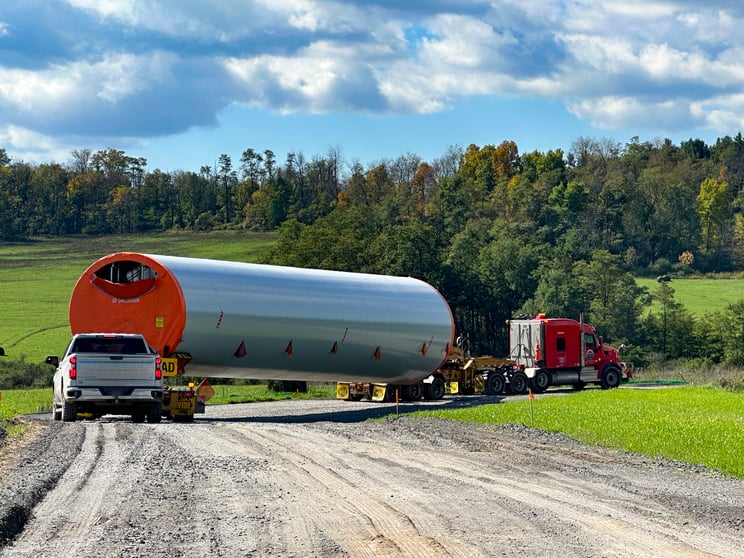
If you’re in the early stages of planning a large project — like a new or relocating data center, wind farm, or grid-scale energy storage — you know that the more complex it gets, the more critical the details are.
Should I Use a Single Broker For Project Freight Shipping? 7 Key Advantages
Projects have been a piece of your reality for as long as you can remember. Whether it was a fifth-grade book report, a high school shop class assignment or putting the finishing touches on that home renovation, it’s always nice to look back on projects of the past with a sense of accomplishment and pride over a job well done.
4 Indicators of an Unhealthy Supply Chain [+ How To Make Improvements]
Managing the health of a business is kind of like maintaining a healthy body; everything is interconnected and neglecting one thing tends to sacrifice the wellbeing of the whole.
How To Make Money By Routing Your Freight
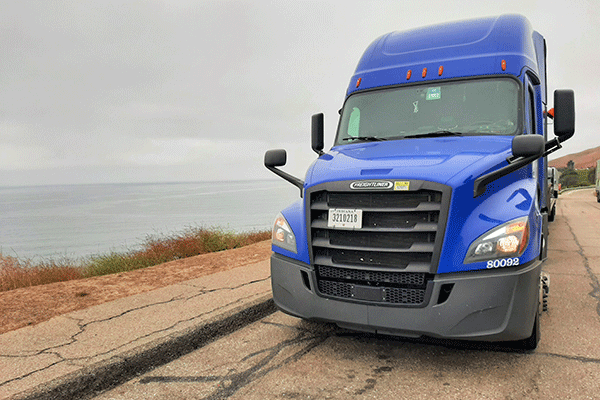
When a company decides to transition away from customer-routed freight operations and toward managing these processes in-house, there’s typically a single driving factor.
The 5 Biggest Time Wasters For Logistics Managers (and How to Avoid Them)
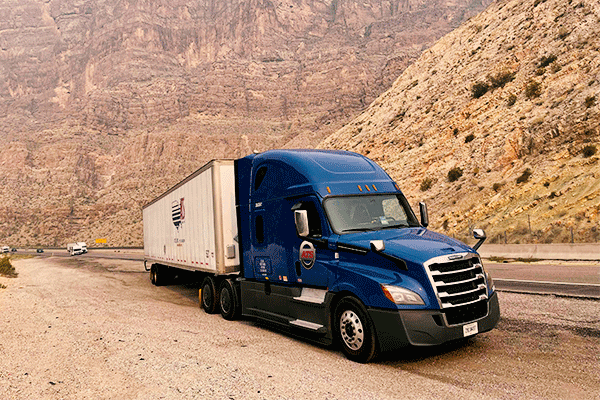
As a leader in your organization, there are constantly things vying for your attention. Things that need your time, your opinion and your expertise.
3PL Vs. Freight Brokerage: Pros, Cons and Considerations
Getting the most from your supply chain often comes down to how well your transportation providers fit your needs.
[Video] What is Zone-Skipping Service and How is it Done?
How Can You Increase Your Tender Acceptance Rate?
Your load failed again. Not because of an unforeseen circumstance —like a truck breakdown — or an oversight on your part. No, your freight may be sitting in your loading dock, but it’s not because of anything you did. The due diligence you displayed in finding this newest provider was evident.
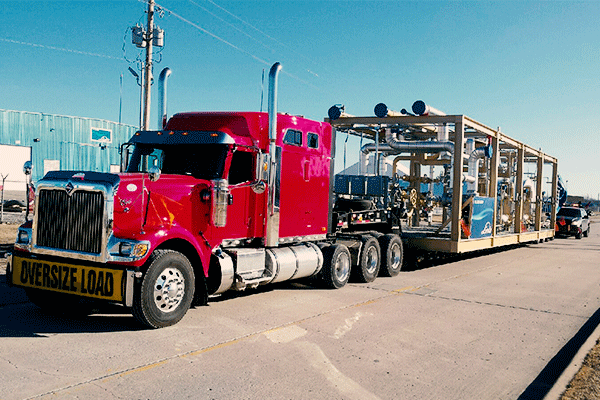
5 Common Problems With Permitted Project Loads (& How to Avoid Them)
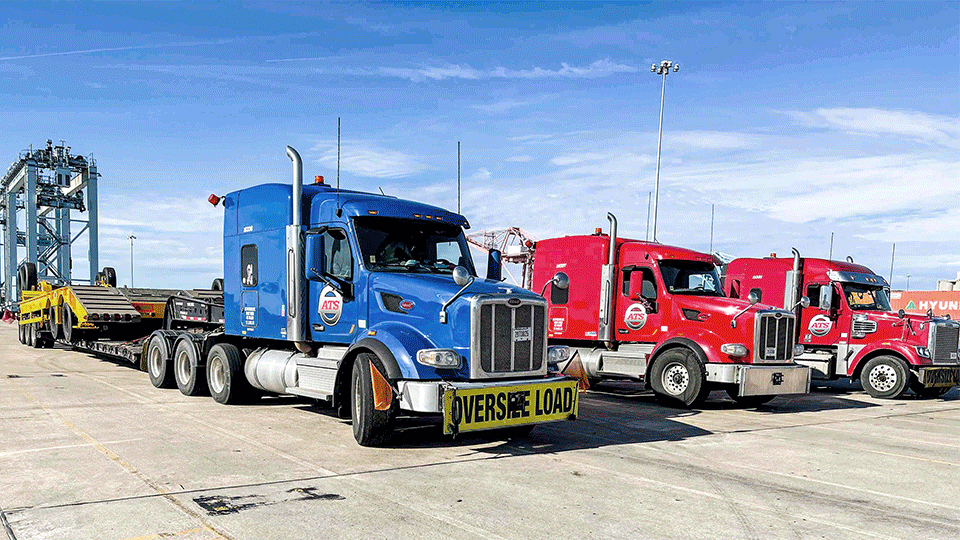
Transportation projects are many things: vital to the health of global supply chains; necessary for the continued improvement of our world; foundational to the success of many businesses.
What Are Technical Services? How Logistics Companies Safely Transport Data Center, Wind, and Other Project Freight
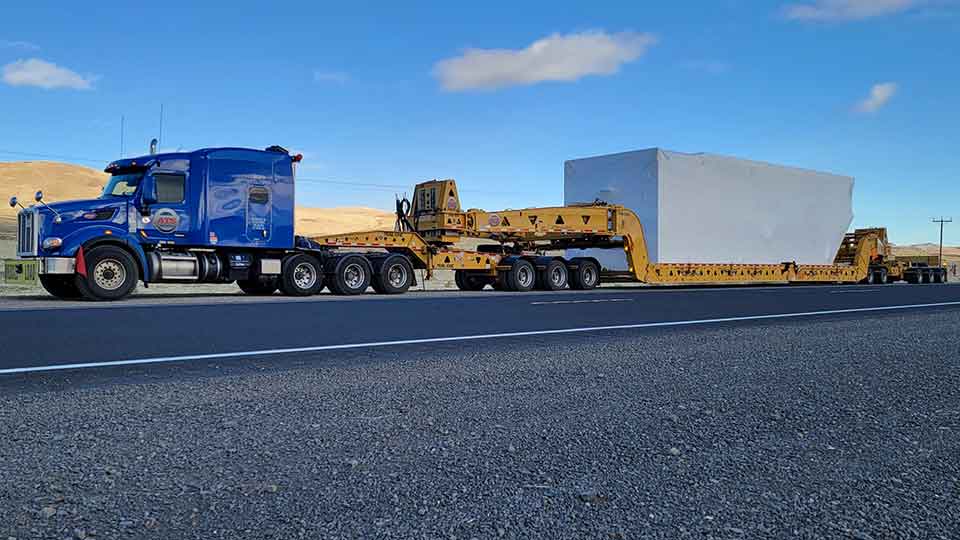
If you’re in the early stages of planning a large project — like a new or relocating data center, wind farm, or grid-scale energy storage — you know that the more complex it gets, the more critical the details..
Should I Use a Single Broker For Project Freight Shipping? 7 Key Advantages
Projects have been a piece of your reality for as long as you can remember. Whether it was a fifth-grade book report, a high school shop class assignment or putting the finishing touches on that home..
4 Indicators of an Unhealthy Supply Chain [+ How To Make Improvements]
Managing the health of a business is kind of like maintaining a healthy body; everything is interconnected and neglecting one thing tends to sacrifice the wellbeing of the whole.
How To Make Money By Routing Your Freight
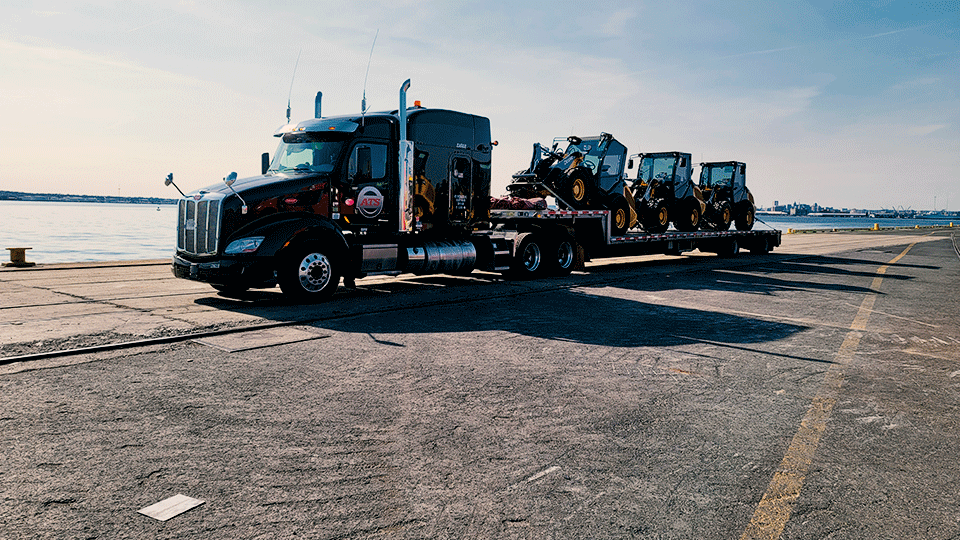
When a company decides to transition away from customer-routed freight operations and toward managing these processes in-house, there’s typically a single driving factor.
The 5 Biggest Time Wasters For Logistics Managers (and How to Avoid Them)
As a leader in your organization, there are constantly things vying for your attention. Things that need your time, your opinion and your expertise.
3PL Vs. Freight Brokerage: Pros, Cons and Considerations
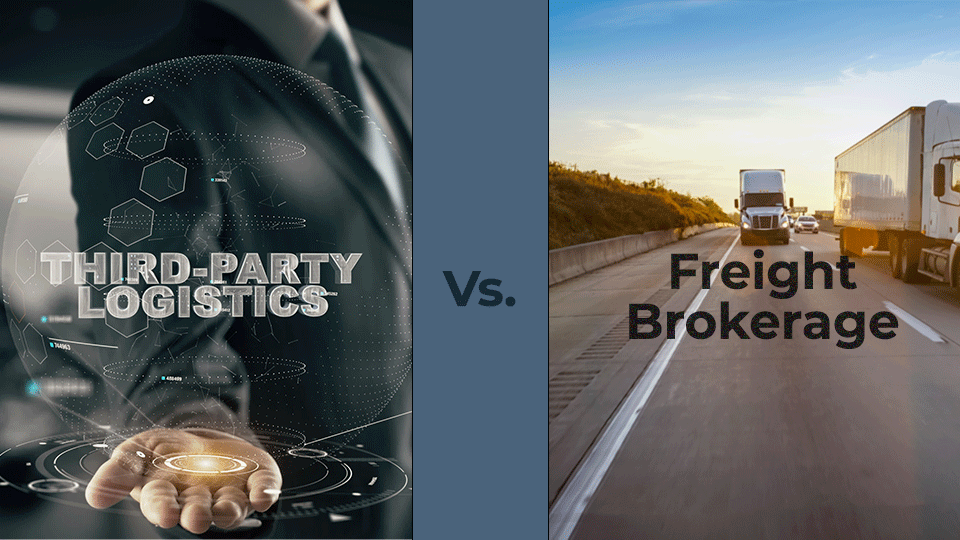
Getting the most from your supply chain often comes down to how well your transportation providers fit your needs.