Resources & Insights
How Much Does a 3PL Cost? A Comprehensive Guide

Confused By New USTR Port Fees? What Shippers Need to Know
What Is Nearshoring? Definition, Benefits, and Supply Chain Advantages

Key Takeaways
- Nearshoring definition: Moving production closer to the consumer market to reduce risks and costs.
- Why it matters: Improves supply chain resiliency, lowers transit times, and reduces shipping expenses.
- Industries adopting nearshoring: Automotive, aerospace, retail, electronics, pharmaceuticals, and more.
- Primary benefits: Efficiency, profitability, and adaptability in a volatile global marketplace.
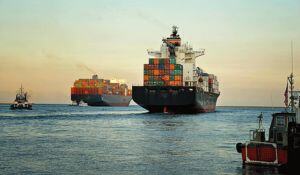
International shipping is, by its very nature, risky business. So many things can disrupt a global supply chain, from sluggish port operations to geopolitical conflict to capacity shortages. Heck, even the weather can set a supply chain off its course, careening toward disaster!
Top Global Freight Forwarders in 2027: How to Choose the Best Provider
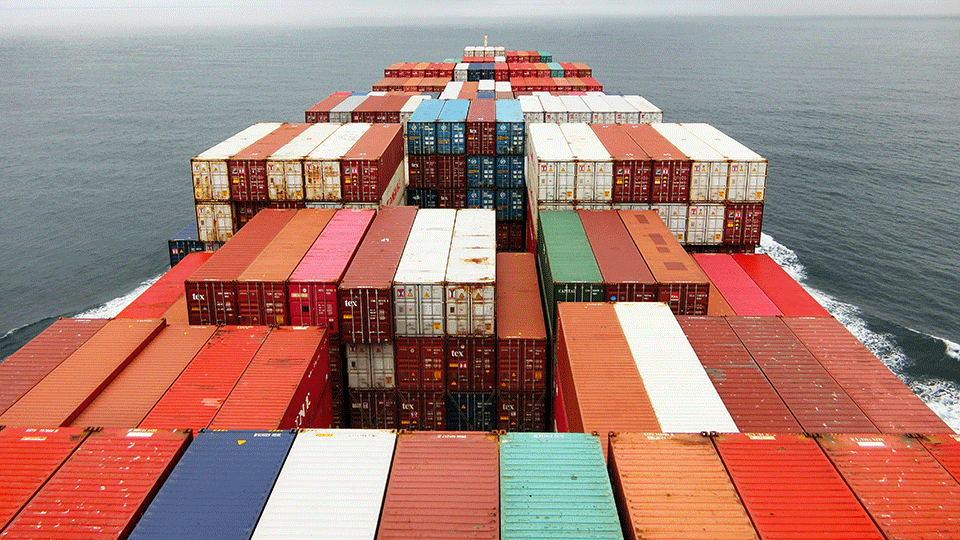
When you're shipping freight across borders, there's a lot to coordinate. And choosing the right global freight forwarder can play a big role in how smoothly everything goes.
How Foreign Trade Zones (FTZs) Help Shippers Reduce Tariffs & Cut Costs
Key Takeaways:-
A foreign trade zone (FTZ) allows companies to defer, reduce, or eliminate customs duties on imported goods.
-
Using an FTZ warehouse or yard can reduce tariff costs by allowing assembly or manufacturing before duties apply.
-
FTZs provide operational flexibility, especially for complex supply chains importing multi-component goods.
-
Bonded warehouses offer simpler compliance but fewer manipulation options and limited storage duration.
Is My Cargo Safe? Freight Security Tips for Global Supply Chains

The fear of cargo being lost, damaged, or otherwise compromised in transit is a common one. For shippers with international supply chains, these anxieties are intensified by unpredictable factors like war and geopolitical tensions, tariffs, piracy, natural disasters, and more.
Infographic: Transloading vs. Cross-Docking
Transloading vs cross-docking — what's the difference?
While both are commonly-used logistics methods, the difference between transloading and cross-docking is their purposes.
Transloading focuses on transferring goods between different modes of transportation, often with additional handling steps, while cross-docking focuses on quickly moving goods from inbound to outbound trucks with minimal storage time.
2025 Retail Peak Season: What Shippers Need to Know to Stay Competitive

Port of Baltimore Reopening: What to Expect

The Port of Baltimore channel has fully reopened to all vessel traffic as of June 10, 2024, following 11 weeks of painstaking progress clearing debris from the collapse of the Francis Scott Key Bridge.

What Is Nearshoring? Definition, Benefits, and Supply Chain Advantages

Key Takeaways
- Nearshoring definition: Moving production closer to the consumer market to reduce risks and costs.
- Why it matters: Improves supply chain resiliency, lowers transit times, and reduces shipping..
Top Global Freight Forwarders in 2027: How to Choose the Best Provider
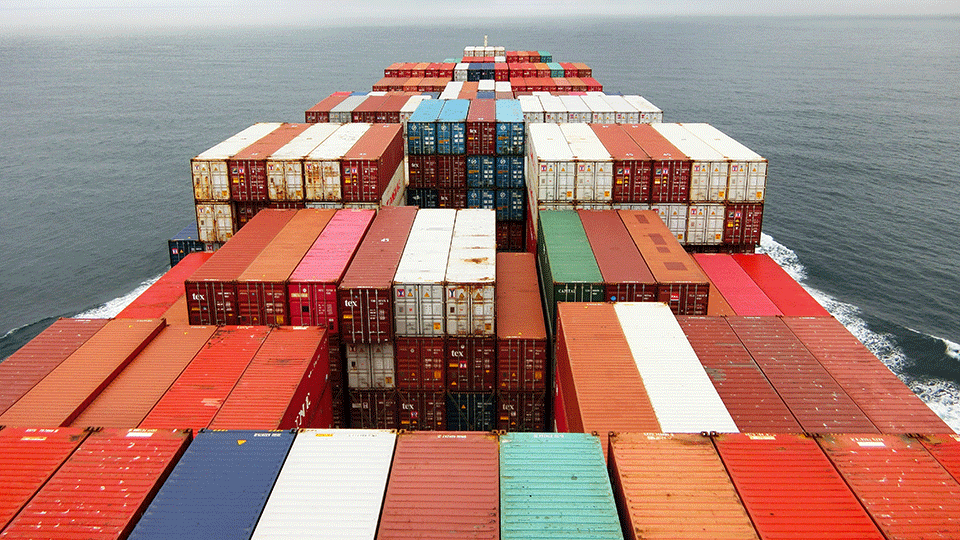
When you're shipping freight across borders, there's a lot to coordinate. And choosing the right global freight forwarder can play a big role in how smoothly everything goes.
How Foreign Trade Zones (FTZs) Help Shippers Reduce Tariffs & Cut Costs
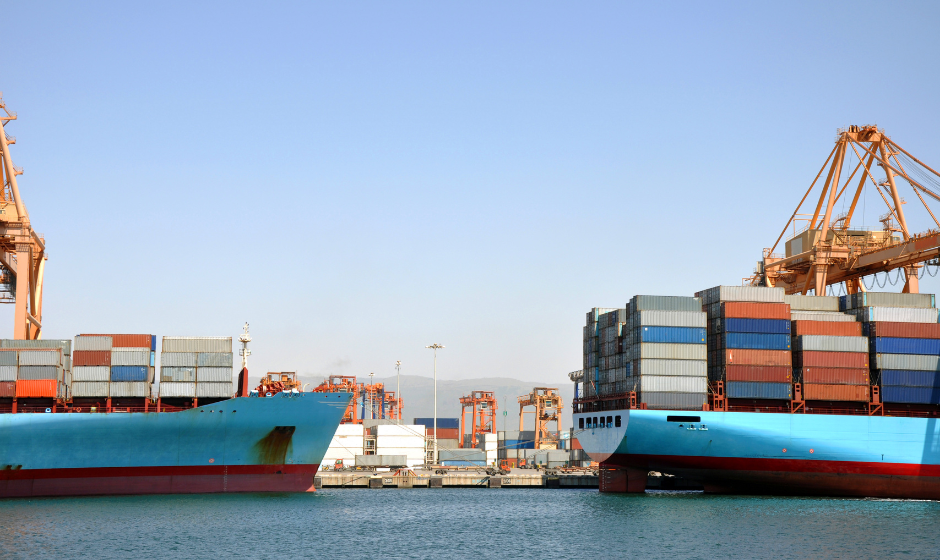
Key Takeaways:
A foreign trade zone (FTZ) allows companies to defer, reduce, or eliminate customs duties on imported goods.
Using an FTZ warehouse or yard can reduce tariff costs by allowing..
Is My Cargo Safe? Freight Security Tips for Global Supply Chains
The fear of cargo being lost, damaged, or otherwise compromised in transit is a common one. For shippers with international supply chains, these anxieties are intensified by unpredictable factors like war and..
Infographic: Transloading vs. Cross-Docking
Transloading vs cross-docking — what's the difference?
While both are commonly-used logistics methods, the difference between transloading and cross-docking is their purposes.
Transloading focuses on ..