Resources & Insights
Freight Market Forecast: Are Shipping Costs on the Rise in 2026?
The transportation industry entered 2025 carrying familiar baggage: soft demand, excess capacity, and a persistent sense of uncertainty that had defined the market for the prior two years.
Heavy Haul Shipping Rates: The True Cost of Heavy Equipment Hauling
Compared to traditional freight, heavy equipment transport comes with greater risk, stricter regulations, and a steeper price tag.
Everything You NEED To Know About Tariffs
Top 15 Flatbed Trucking Companies to Ship With in 2025 (& How to Choose)

- A list of the top 15 flatbed trucking companies in 2025
- Tips on how to choose your best-fit transportation provider
You don’t have time to troubleshoot supply chain slowdowns day in and day out — your company has goods to move, customer commitments to meet, and bottom lines to maintain.
Frost Laws: What to Know About Seasonal Load Restrictions This Spring
During the winter months, blizzards and ice in the northernmost states may impact your shipping schedule. But did you know there's another factor that could impact your deliveries as winter transitions into spring?
Infographic: Transloading vs. Cross-Docking
Transloading vs cross-docking — what's the difference?
While both are commonly-used logistics methods, the difference between transloading and cross-docking is their purposes.
Transloading focuses on transferring goods between different modes of transportation, often with additional handling steps, while cross-docking focuses on quickly moving goods from inbound to outbound trucks with minimal storage time.
Shipping to Alaska: What You Need to Know

For many in the transportation industry, Alaska is synonymous with unpredictability.
How Do Freight Rates Affect Service Failures?
- How has the freight recession impacted the transportation industry?
- What causes service failures in the trucking industry?
- How are freight rates and service failures related?
- What can shippers do to make their freight more successful?
Does it seem like your freight shipments are failing more lately? You’re not alone — and you’re not imagining things.
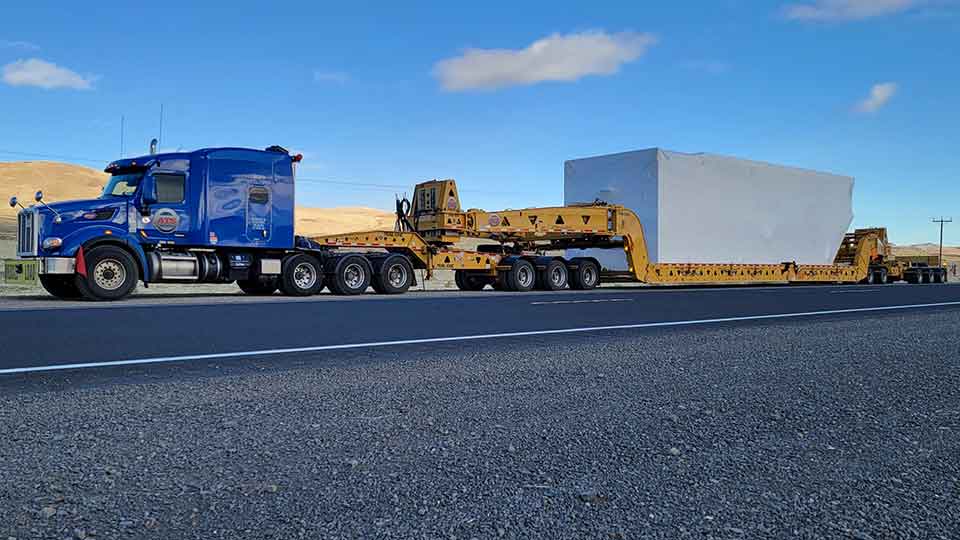
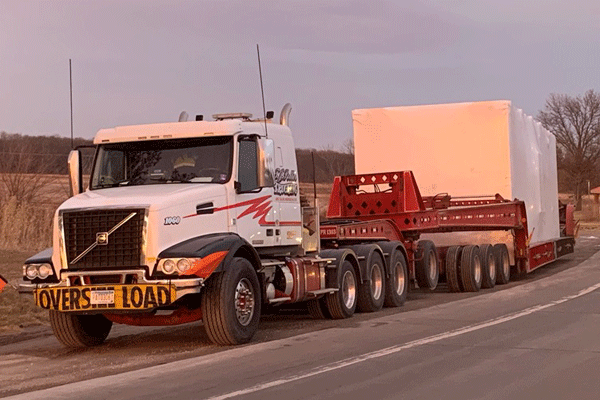
Using Multi-Axle Trailers for Heavy-Haul Freight
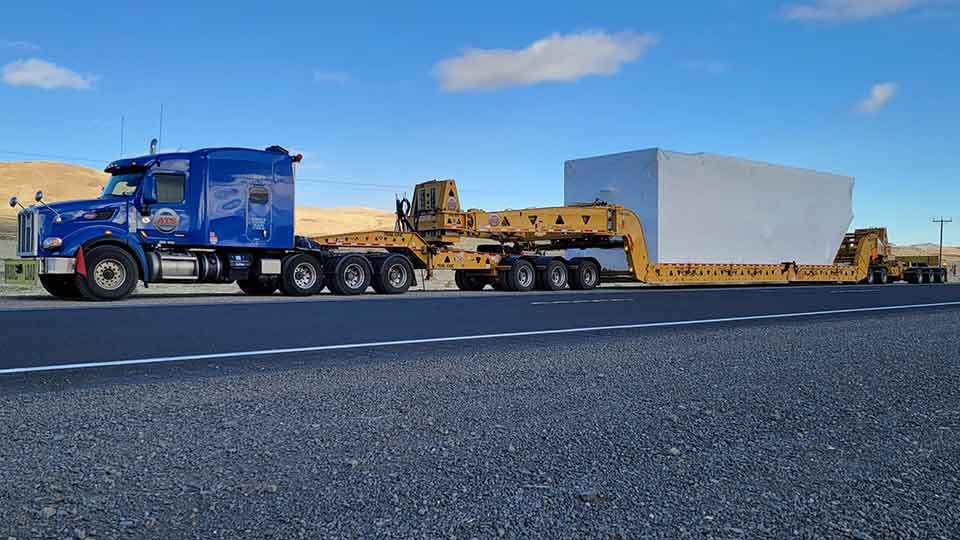
Roads and bridges are engineered to support a specific amount of weight. Exceeding this weight limit can have disastrous consequences, including bridge collapse or permanent road damage.

Top 15 Flatbed Trucking Companies to Ship With in 2025 (& How to Choose)

- A list of the top 15 flatbed trucking companies in 2025
- Tips on how to choose your best-fit transportation provider
You don’t have time to troubleshoot supply chain slowdowns day in and day out — your..

Infographic: Transloading vs. Cross-Docking
.png)
Transloading vs cross-docking — what's the difference?
While both are commonly-used logistics methods, the difference between transloading and cross-docking is their purposes.
Transloading focuses on ..