Transporting freight in winter demands preparation, communication, and reliable carriers who understand how to keep shipments moving safely through cold, snow, and ice.
When temperatures drop and road conditions worsen, having a well-prepared logistics plan can mean the difference between on-time delivery and costly delays.
Anderson Trucking Service (ATS) has been helping shippers weather the winter for over 70 years. In this article, we'll share six of our best tips for transporting freight in winter without delays, complications, or unnecessary fees.
Key Takeaways for Shippers
- Winter weather can delay freight if you don’t plan for temperature, timing, and road conditions.
- Choose carriers with proven cold-weather readiness and contingency plans.
- Visibility tools and proactive scheduling minimize disruption.
1. Prepare Shipments for Cold-Weather Challenges
Successful shipping in winter starts with how your shipments are prepared.
Winter weather conditions introduce unique risks to freight transportation, from frozen goods and slippery loading docks to visibility issues and longer transit times. Proper packaging and equipment choices are your first line of defense against these seasonal factors.
For temperature-sensitive freight you can't risk accidentally freezing, temperature-controlled solutions like insulated wraps, heated trailers, or using reefer trailers for freeze protection may be necessary.
Additionally, all kinds of freight can benefit from proper, tight securement, as this helps prevent shifting when roads are slippery and traction is limited.
Finally, before loading, work with your origin and destination locations to ensure docks are cleared of snow and ice and that freight is staged for efficient movement. The less time your cargo spends in subzero air, the better.
2. Find a Carrier Experienced in Shipping in Winter Weather
Not all carriers are equally prepared for harsh winter conditions.
Regulations regarding the movement of oversized freight go into effect, trucks and trailers must be rigorously winterized and maintained, and drivers must be trained on safe operation in potentially dangerous road conditions.
If a carrier isn't well-versed in the nuances of winter shipping — or doesn't have the resources to support proper equipment, maintenance, and training practices — it can have negative consequences for the timeliness and cost of your freight.
To avoid a heightened risk of delays and fees, look for carriers that have proven experience in moving freight in regions that experience serious winter weather, preferably with a long tenure in the transportation industry.
You may find that carriers that have their roots in northern states (like ATS, which is founded and headquartered in St. Cloud, Minnesota!) will be especially knowledgable in complexities of wintertime transportation.
After all, it's hard to operate a trucking company in a wintery state without learning a thing or two about snow, ice, and wind — just take it from us!
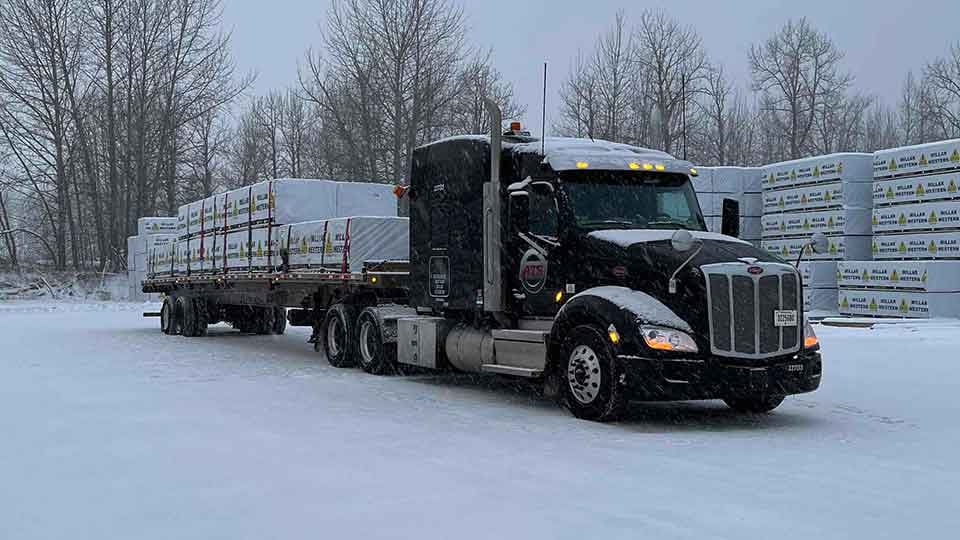
Super Low Rates? It's Not a Christmas Miracle: Avoid Low-Cost Carriers This Winter
One last note about carrier selection: be wary of low-cost providers in the winter months. Often, those low rates are a product of the provider cutting corners in other areas, like service quality and reliability.
To avoid being left in the lurch by a last-minute shipment failure, choose a rate that is calculated to actually execute your shipment — not just win your business. Because when things get colder and finding a truck gets harder, the price you pay matters more than ever. A rate backed by intention and expertise is more likely to get your freight where it needs to go this winter.
3. Build Flexibility Into Your Schedule
Winter can be a wildly unpredictable time for weather, especially in northern regions. Working with an experienced carrier can make the difference between a minor delay and a full-day stoppage, but even the most carefully planned shipments can be disrupted by a sudden winter storm.
That's why it's important to be realistic about the challenges of transporting freight in winter and build in flexibility accordingly.
Our best advice? Widen your pickup and delivery windows. While you may prefer a stricter schedule, there are three compelling reasons to give carriers a bit more leeway this winter:
- Wider pickup and delivery windows give carriers the flexibility they need to plan their trucks more strategically, which can be conducive to getting you a better rate.
- If you're open to slight adjustments in pickup or drop-off timing, it can help keep freight moving safely without unnecessary risk. That's good for the integrity of your freight, your carrier's schedule, and your driver's safety.
- Wider windows also make your freight more attractive to drivers who, thanks to the unpredictability of winter weather, are looking to build some buffer time into their schedules.
We also recommend providing a minimum of 24-72 hours of lead time to give your carrier the best shot at finding you the right truck and the right driver at the right price, moving at the right time.
The bottom line: the more convenient you can make your shipments for carriers and drivers, the less you're likely to pay.
4. Prioritize Visibility & Communication
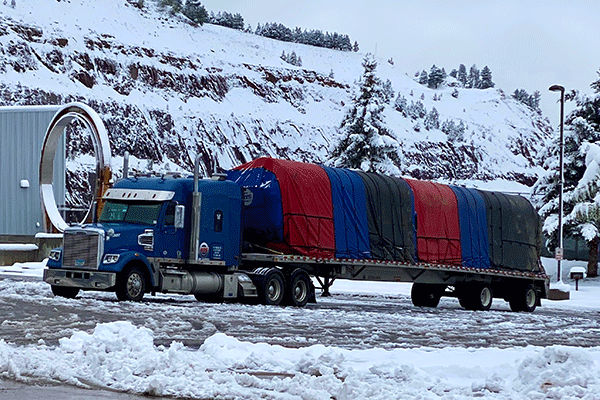
Visibility, communication, and safety all go hand in hand when shipping in winter. Look for carriers that use technology to provide live shipment tracking, weather- and traffic-aware route monitoring, and online customer portals for anytime insights.
Visibility platforms allow shippers to:
- Proactively anticipate disruptions
- Work with their provider to reroute shipments in real time
- Communicate updates to their customers confidently.
At ATS, for example, our Customer Portal gives shippers around-the-clock shipment tracking, in-platform messaging with our team, shipment milestone updates, and customizable notifications.
We believe this level of communication helps our customers make more informed decisions about their logistics operations, even when conditions are changing by the hour.
And speaking of communication: regular communication between drivers, logistics professionals, and shippers helps everyone stay aligned as winter weather and road conditions evolve.
If an unexpected delay occurs, a clear line of communication ensures that all stakeholders are aware and contingency plans can be enacted quickly.
Your best-fit carriers for winter shipping will maintain transparent, consistent communication with you throughout the shipping process to keep operations smooth, responsive, and accountable.
5. Plan for Contingencies
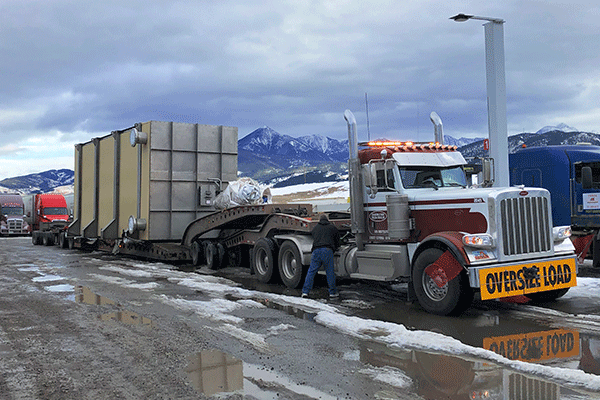
Every winter shipping plan should include contingencies. Having a Plan B in place before a problem arises can minimize downtime when an interstate closes or a region along your shipment's route experiences extreme weather.
Your contingency plan might include:
- Planning with your carrier for alternative routing and/or equipment alternatives
- Proactively identifying other viable windows for freight movement, time permitting
- Building your network to include reliable backup carriers in case a first-choice provider falls through (This includes ensuring your network has a good mix of provider types, from asset fleets to brokerages to specialized carriers.)
- Optimizing layover, storage, and rerouting procedures for safety and efficiency
- Ensuring all stakeholders have a list of emergency contacts
Taking steps to prep for the unexpected will help keep your freight safe, moving, and protected, no matter what the forecast may hold.
6. Review & Update Your Winter Shipping Strategy
Your winter shipping plan and procedures should be reviewed and updated annually. Remember, your supply chain is only as strong as its weakest link, and that is especially true in an unpredictable season like winter.
Now is a great time to evaluate performance metrics like on-time delivery (OTD) rates, claims, and carrier responsiveness. (Might we recommend our free Transportation Provider Scorecard for this very purpose?)
Use these insights to refine your network and strategy for next winter. By periodically cycling out underperforming providers — and bringing in (or leaning more heavily on) providers with modern tracking and visibility tech, skilled drivers, and an experienced logistics team — you can set yourself up for a successful winter season year after year.
Don't Let Unreliable Carriers Freeze You Out This Winter
From icy roads to unpredictable storms and temperature-sensitive freight, winter brings challenges that test even the most experienced shippers.
The key to keeping your supply chain smooth lies in preparation, flexibility, and trusted partnerships.
By choosing a carrier like ATS that prioritizes safety, communication, and proactive winter planning, you can move freight confidently all season long.
No matter how severe the weather gets, ATS can help you ensure your shipments arrive safely, on time, and with complete visibility from start to finish. If you're looking for a carrier you can rely on this winter, reach out to us today to tell us more about your shipping needs.