ATS Blog
Keeping an eye on your shipping budget can be tricky, especially when you don’t understand where your money is going, how shipping rates are calculated, or how to make the most of the dollars you have.


A well-rounded transportation provider network includes many types of carriers, from asset-based companies to specialized providers to freight brokerages.

If you ship equipment that requires specialized trailers, it can be hard to remember which trailer type makes the most sense for you from both a cost and safety standpoint. After all, the equipment you’re shipping is what impacts the trailer your carrier uses, not the other way around.
If you've ever received an itemized quote from your transportation provider, you've probably come across a few surcharges you've never heard of. Like any trade, there are a lot of industry-specific terms thrown around in transportation — some you may know and some you may not.
As a transportation provider, one of the most common questions we get from our customers and prospects is why do trucking rates change? You’ve probably wondered the same thing yourself a time or two. In this article, we’ll give you an idea as to what factors cause rates to change, how you can avoid getting ripped off and how you can plan for these rate fluctuations as you assess your shipping needs.
 Months after COVID-19 temporarily slowed the global economy to a crawl, we’re all learning how to rebound, navigate newfound complexities and shift processes to meet ever-changing consumer needs. And while retail peak season looked slightly different with the e-commerce expansion, retail fixtures and the in-store shopping experience remains critical.
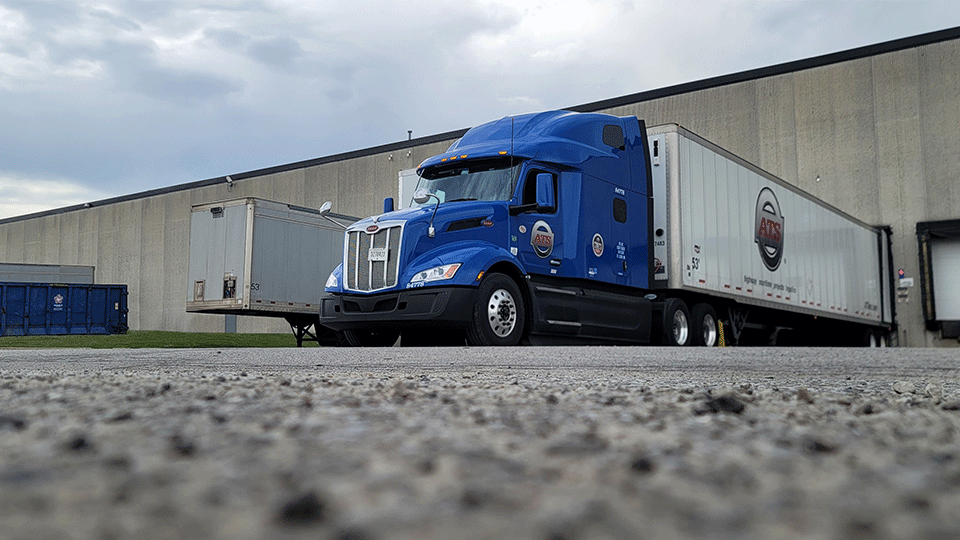
When your freight needs to move today, every minute matters — but your budget does, too. Same-day shipping is one of the fastest services available in logistics, often bridging critical supply chain gaps, rescuing delayed production lines, or fulfilling urgent customer orders. But how much does that speed really cost?
 For 100 years, the Merchant Marine Act of 1920 (aka the Jones Act) has been the foundation of Domestic Maritime regulation in the U.S. The Jones Act has had a positive impact on the U.S. shipping industry and defines the rules regarding maritime trade between the Continental U.S. and offshore markets like Hawaii, Alaska and Puerto Rico.