ATS Blog
Whether or not you, as a shipper, move goods that have changing demand depending on the season, you are affected by those that do. Before getting into the why, let’s define seasonality and talk through a few common examples.
Depending on how frequently you ship freight, you've probably had the debate on whether you should use the spot market versus the contract market. After all, they are two of the most common pricing options when shipping truckload freight.

Without truck drivers, your supply chain — and everyone else’s — would come to a screeching halt.
Not only are they a critical component in moving shipments from one point to the next, but their expertise and dedication ensure deliveries are completed safely and on time. Hiring highly qualified and experienced truck drivers makes all the difference.
This time of the year, many of us are trying to plan ahead to next year. For shippers, that means figuring out your transportation expenses — which will be even more challenging than usual this year. Please note, your planning will vary based on the type of market you service, but here is a broad stroke into some of the things to consider when making your transportation plans in 2021.
 The COVID-19 pandemic has impacted the transportation industry in various ways over the past nine months, forcing shippers and carriers into some challenging scenarios. And as we enter retail peak season, it doesn’t look like that’s going to change.
Wouldn’t it be nice to know exactly what your freight prices are going to be to ship from point A to point B, every time? If only it were that simple. Let’s break down why the answer to “how much will this cost?” is almost always, “it depends.”
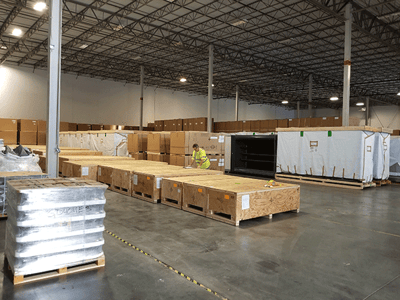
When shipping sensitive, fragile, expensive — or all of the above — cargo overseas, it’s important to ensure it’s properly protected. Whether it’s the salty sea air or the turbulent waves, cargo on a vessel can take a beating if not properly packed and crated.
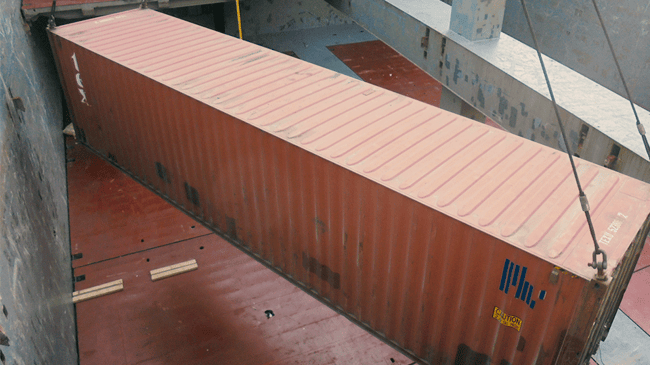
Most shippers assume if a carrier's negligence causes damage to your freight while in transit, they're liable to cover up to a set dollar amount per pound of freight. When the freight is more valuable than what's covered under liability, cargo insurance covers the difference.
But overseas shipping is different.
 If you're shipping large items that can't legally fit within the dimensions of a standard dry van or open-deck flatbed, and you anticipate your shipments weighing more than 55,000 pounds each, then you need to rely on a heavy haul carrier with trailers that can appropriately scale to your needs.