Resources & Insights
It’s frustrating when your freight rates change — especially on short notice. Freight transportation isn’t your company’s only expense, but the more you pay these bills the more you realize how volatile they are. They might even be your most unpredictable expense each period.
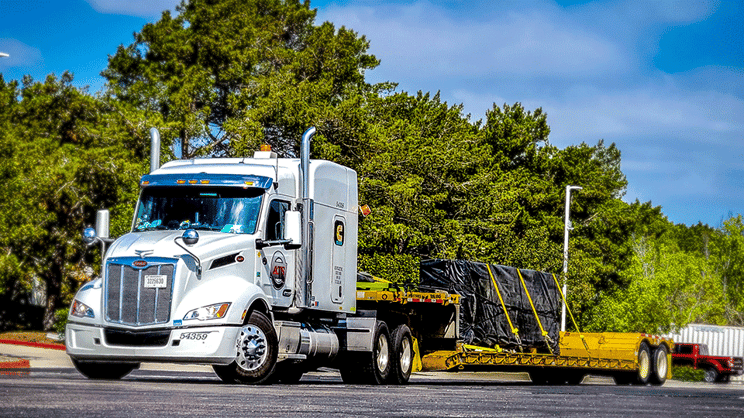
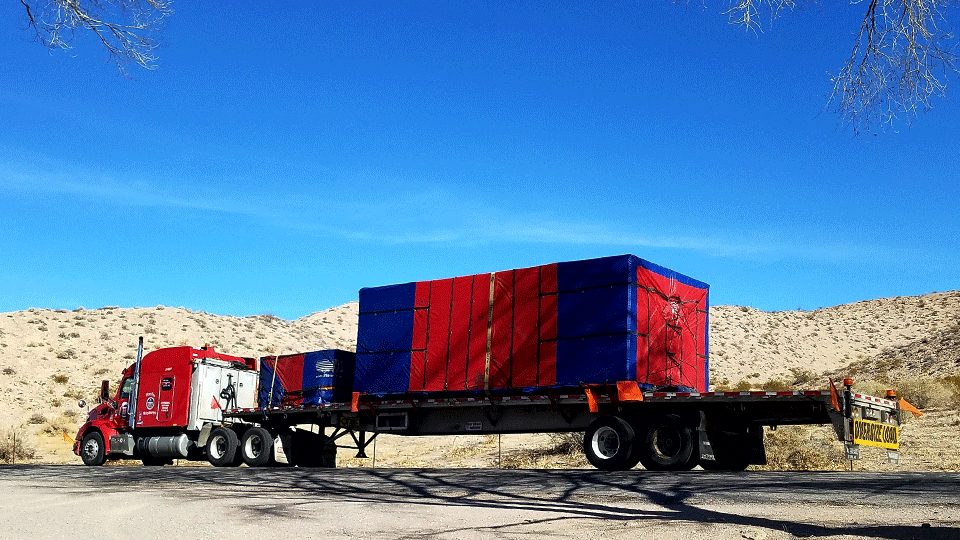
Companies that ship freight using open-deck trailers are no stranger to the realities of doing so. The impact natural elements (wind, snow, rain, etc.) can have on the products transported on open-deck trailers is among the harshest of these realities.
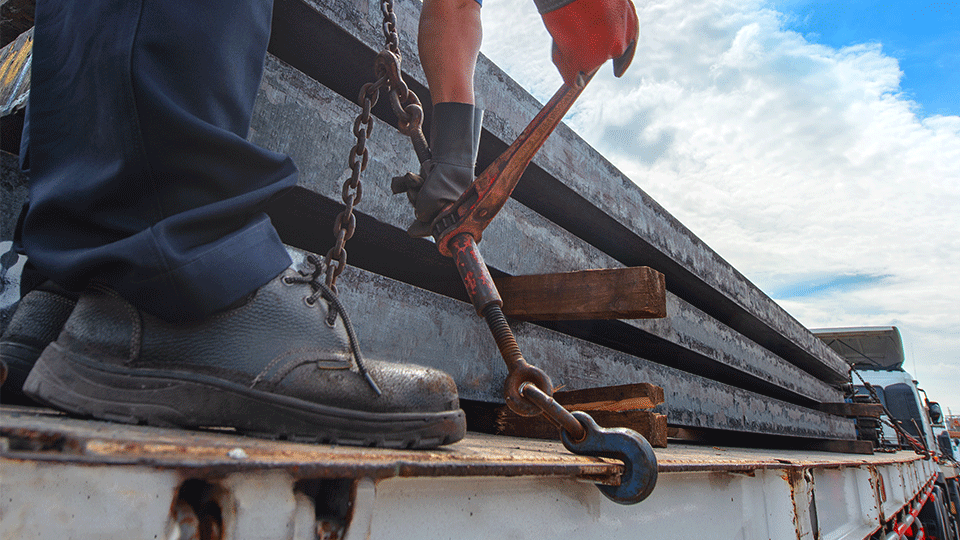
Dunnage plays an important role in the transportation industry, yet shippers may not give it much consideration. That's a mistake: when a truck shows up to load without the right kind or quantity of dunnage for the job, shippers can face delays that disrupt their timelines, customer commitments, and budget.

Transportation is an industry full of equipment types. So many equipment types, in fact, that it can sometimes be difficult to understand the use-case of each.
While the maximum gross vehicle weight for a commercial vehicle is 80,000 pounds, that does not mean your freight can weight 80,000 pounds. That total includes the combined weight of the semi-truck, trailer, and cargo.
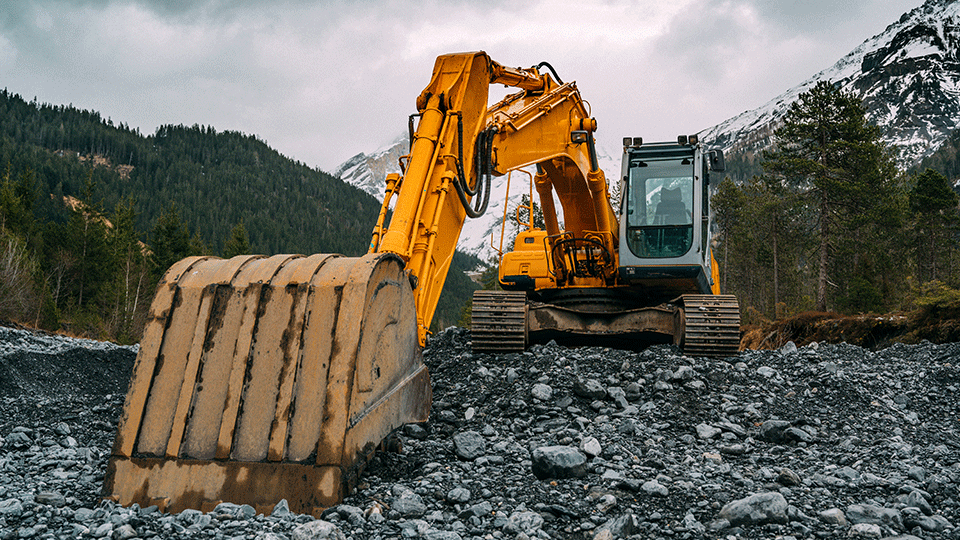
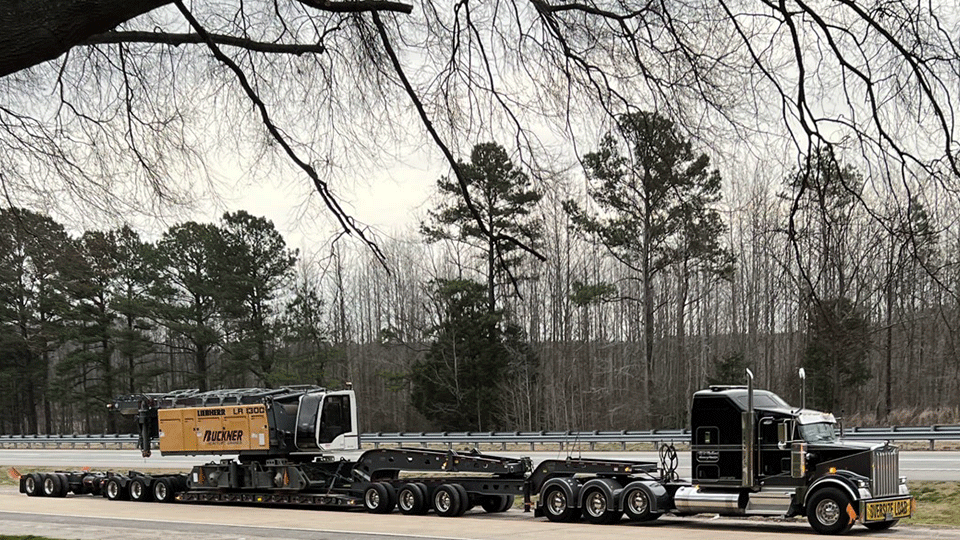 Shipping construction equipment is a complex task that demands precision, planning, and an eye for detail.
For shippers dealing in these rugged pieces of heavy machinery and equipment, ensuring their safe and timely arrival is crucial to maintaining operational efficiency and avoiding costly delays.
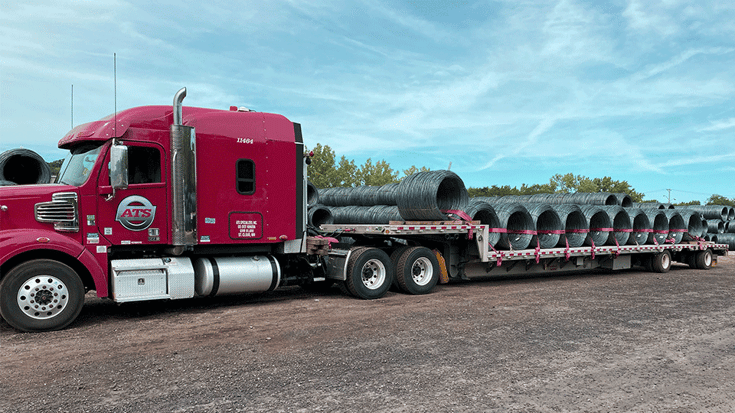
Protecting cargo is top of mind for many companies. That said, ensuring freight arrives at its destination in good condition can sometimes be challenging for open-deck shipments which have external elements, like the weather, to contend with.